
Program evaluation helps you learn what is working, improve what isn’t, and show funders and your community the difference you make. It doesn’t have to be complicated or expensive.
A practical five-step approach
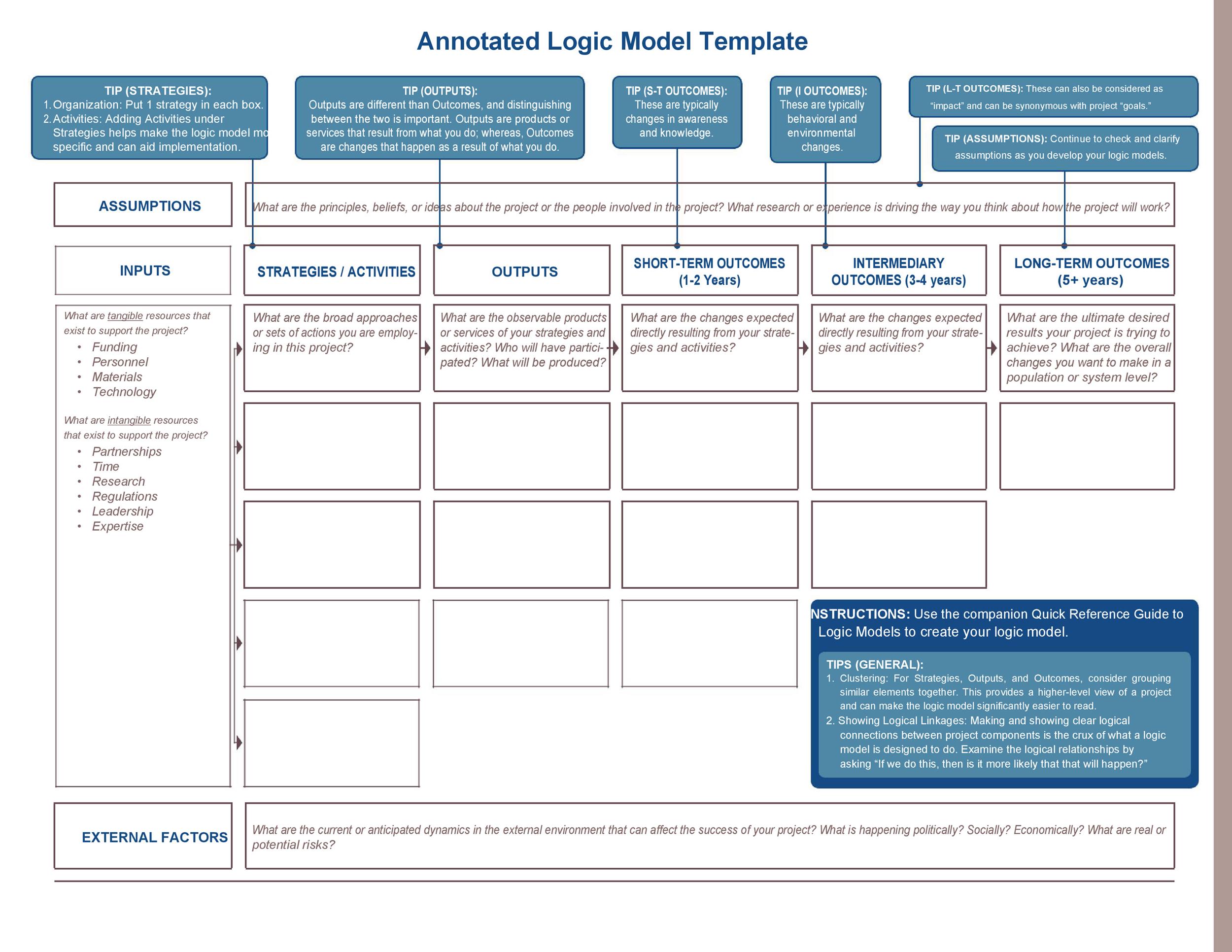
- Start with a logic model. Map your inputs, activities, outputs, and short- and long-term outcomes. This clarifies what you expect to change.
- Choose a few key questions. For example: Are participants completing the program? Are they gaining the skills we intended? Which parts of the program matter most?
- Match methods to questions. Surveys show patterns across many people; interviews and focus groups explain the “why.” Program records, such as attendance, are often already available.
- Collect data consistently. Build simple routines, such as a pre- and post-survey, into the program itself.
- Use and share findings. Review results with staff, decide what to change, and report back to participants and funders.
Outputs versus outcomes
Outputs count what you did, such as 12 workshops or 150 participants. Outcomes describe what changed for people, such as improved skills or stability. Funders increasingly ask for both.
Listen to the people you serve
Some of the most useful evaluation comes from listening. In research for the Shine Indy Early Learning Initiative, interviews, focus groups, and a survey of early learning providers directly shaped the Early Learning Ecosystem Navigator.
Free resource: Annotated Logic Model Template
Need help?
Strategic Leap helps nonprofits, schools, and community organizations with program evaluation and research. Schedule a conversation or call 317-213-1933.